
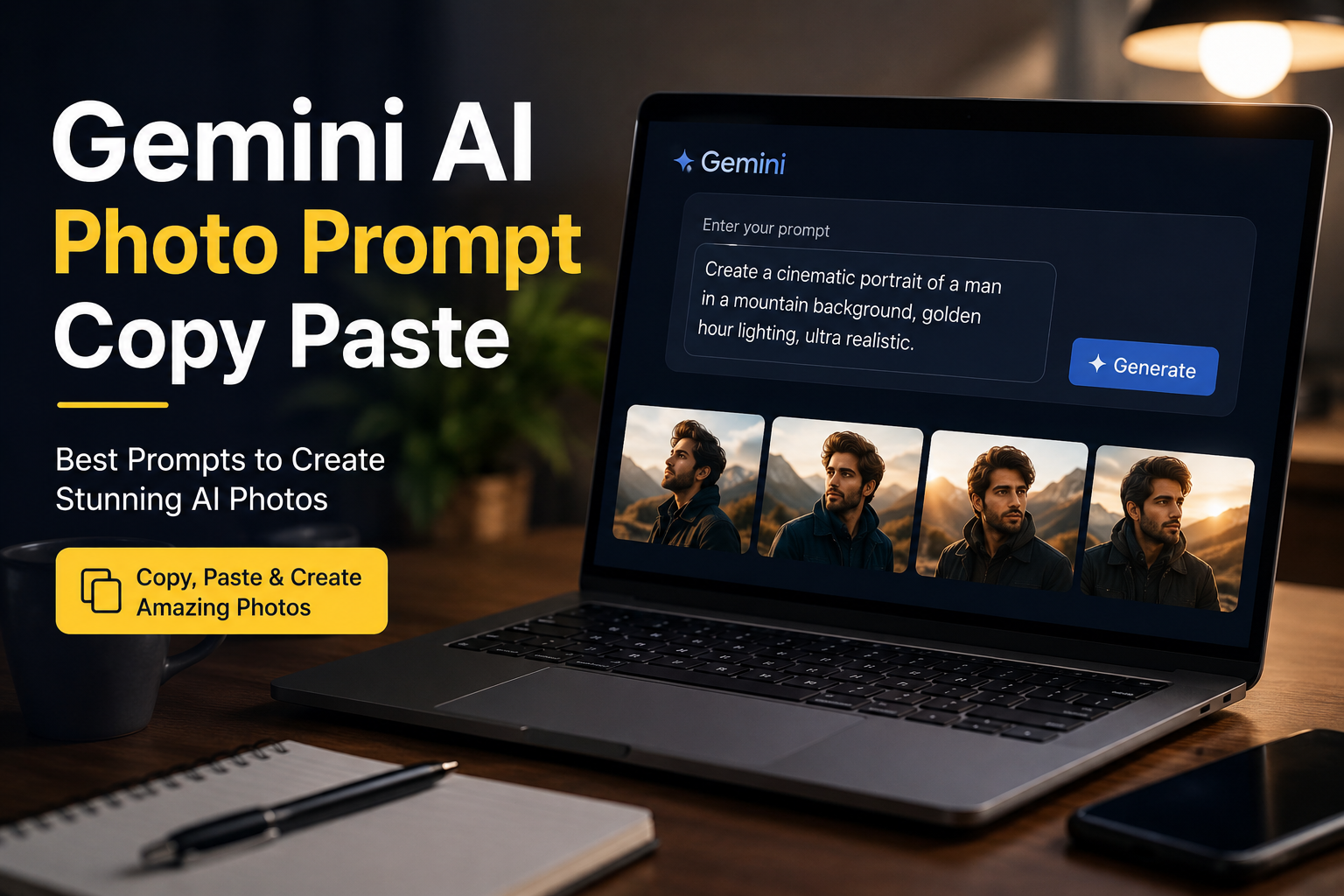
AI photo tools have made it possible to create polished, eye-catching images in minutes, but the quality of the result depends almost entirely on the prompt. A vague instruction gives a generic picture. A precise, well-structured prompt gives an image that fits your brand, your audience and your campaign goal. Gemini's image features are a strong option for businesses that want fast, usable visuals, and the right prompt is what makes them work.
At ClicZeo we use AI-generated imagery across social, paid and landing page campaigns for clients. This guide shares the prompt structure we rely on, along with the practical checks that keep AI visuals accurate, on brand and useful for marketing.
Why Prompts Decide the Quality of Your Images
An AI image model responds to the detail you give it. Subject, setting, lighting, camera angle, colour palette and mood all shape the output. When any of these are missing, the model fills the gaps with defaults, which is why so many AI images look similar and fail to stand out in a crowded feed.
Treat every prompt as a short creative brief. Describe what the image needs to communicate, who will see it and where it will appear. That single habit improves results more than any copy-paste template.
A Simple Structure for Strong Prompts
Our team builds prompts in five parts: the subject, the setting, the lighting, the style and the constraints. The subject states what appears in the frame. The setting places it in context. The lighting sets the mood. The style defines the look, such as clean studio product photography or natural lifestyle imagery. The constraints tell the model what to avoid, such as extra text, distorted hands or cluttered backgrounds.
For example, instead of asking for "a coffee shop photo", ask for a warm, morning-lit café interior with a single ceramic cup on a wooden table, shallow depth of field and a muted green and cream palette, with no visible text. The second prompt gives you a usable image on the first attempt far more often.
Keep Your Brand Consistent Across Visuals
AI images can drift in style from one generation to the next, which damages brand recognition. Save the prompt parts that work, including your colour palette, lighting style and framing rules, and reuse them as a fixed base for every new image. Consistency across a campaign matters more than any single standout picture.
ClicZeo builds visual style guides for clients so their AI imagery looks like it came from one brand, whether it appears in ads, blog headers or social posts.
Check Accuracy Before You Publish
AI tools can invent details, misspell text, add extra fingers or create products that do not exist. Before any image goes live, check it against the real product, the real location and the claims the campaign makes. An unrealistic product photo can lead to complaints, refunds and loss of trust, which costs far more than the time saved by generating it.
Also review the platform's terms and labelling rules for AI-generated content, particularly in advertising. Disclosure requirements are changing, so build the check into your publishing workflow.
Use Images Where They Support Search and Conversion
Good imagery is not only decorative. Descriptive file names, meaningful alt text and images placed beside relevant copy help search engines understand the page. Google explains its own expectations in its guidance on image SEO, and our team applies those principles on every project. Our SEO team reviews image usage on landing pages and blog posts to make sure visuals support both rankings and conversions.
You can read more about optimising visuals for search in our guide on image SEO, which covers file naming, compression and alt text in detail.
Test Visuals Against Real Results
Treat AI imagery as a hypothesis. Run two or three visual directions against the same audience, measure click-through rate and conversion rate, and keep the version that performs. Over time this tells you which subjects, colours and compositions your customers respond to, and it turns AI image generation into a repeatable growth tool rather than a one-off experiment.
Where Visual Content Fits in a Growth Plan
Images work best when they are part of a wider plan that includes clear messaging, fast pages and a strong offer. A striking visual can stop the scroll, but the landing page and the next step decide whether the visitor becomes a customer. Align each visual with a specific campaign goal and a specific page.
Build a Prompt Library Your Team Can Reuse
Most teams write prompts from scratch every time, which wastes time and produces uneven results. A prompt library solves this. Store your best-performing prompts in a shared document, grouped by use case: product shots, social posts, blog headers, ad creatives and seasonal campaigns. Each entry should record the prompt, the model settings, the result rating and the campaign where it worked.
Over a few months, the library becomes one of the most valuable marketing assets in the business. New team members can start producing usable images on day one, and experienced staff can refine prompts instead of reinventing them. Review the library every quarter, retire prompts that no longer reflect your brand and add new ones that match your current offers.
Plan Visuals Around the Customer Journey
Not every image should do the same job. Awareness visuals need to stop the scroll and communicate a clear idea in under two seconds. Consideration visuals should explain a product, a process or a result. Conversion visuals must reinforce trust, showing the product clearly, the price or offer and an obvious next step.
Mapping visuals to these stages prevents a common mistake, which is using the same dramatic hero image everywhere. When each image has a defined role, your ads, landing pages and email campaigns work together, and it becomes much easier to see which visual is responsible for a lift in enquiries or sales.
Protect Your Brand When Using AI Tools
Brand protection goes beyond colour and typography. Make sure AI images never imply endorsements, real people or results that your business cannot back up. Avoid generating likenesses of identifiable individuals without permission, and keep product depictions faithful to what customers will receive. Clear internal rules on these points protect your reputation and reduce legal risk.
Get Help Building Your Visual Marketing System
Creating great AI visuals takes prompt skill, brand judgement and a process for checking quality. ClicZeo combines these with SEO and paid media expertise, so your imagery supports rankings, ad performance and enquiries from day one. We set up the prompt templates, style rules and testing framework, then help your team produce consistent visuals every week.